Behavioral Trigger Emails That Turn User Actions Into Revenue

Behavioral trigger emails are automated messages sent in response to specific user actions, such as signing up, abandoning a cart, browsing a product, or becoming inactive. By matching timing and content to real behavior, brands can deliver more relevant communication and improve engagement, retention, and conversions.

Why Behavioral Trigger Emails Improve Customer Relevance

Macro shot of smartphone screen displaying various app icons including Mail and Instagram.
Photo by Brett Jordan from Pexels.

Behavioral trigger emails work because they are based on what users actually do, not assumptions about what they might want. When someone downloads a guide, views a pricing page, or leaves items in a cart, their action reveals intent. Automated emails can respond to that intent with helpful information at the right moment. This makes the message feel timely instead of random. Relevance increases the likelihood that users will open, click, and take the next step.

Unlike one-size-fits-all campaigns, trigger emails adapt to the customer journey. A new subscriber may need a welcome series, while a repeat buyer may respond better to product recommendations. Each message can be tailored to the useru2019s stage, interest, and level of engagement. This personalization helps reduce friction and makes the experience feel more useful. Over time, customers learn that your emails contain information connected to their needs. Timeliness is one of the strongest advantages of behavioral automation. A cart abandonment email sent within a few hours can recover interest before the customer forgets. A post-purchase email can confirm confidence and introduce helpful next steps. A re-engagement message can bring back users before they become completely inactive. By responding quickly to behavior, businesses create conversations that feel natural and purposeful.

High-Value Triggers Every Business Should Consider

Welcome emails are often the first behavioral trigger a business should implement. They are sent when someone joins a list, creates an account, or starts a trial. This is a moment of high attention, so the message should confirm the action and set expectations. A strong welcome sequence can introduce the brand, highlight key benefits, and guide users toward a meaningful first step. It builds momentum while interest is still fresh.

Cart and browse abandonment triggers are especially valuable for ecommerce and service businesses. When a user views a product, compares options, or leaves checkout incomplete, they may need reassurance or a reminder. Automated emails can address concerns with reviews, FAQs, shipping details, or a limited-time incentive. These messages should be helpful rather than pushy. The goal is to remove obstacles and make it easier for the user to continue. Lifecycle triggers help companies maintain relationships after the first conversion. Post-purchase emails can offer setup tips, care instructions, upsells, or requests for feedback. Renewal reminders can reduce churn by prompting customers before a subscription or contract expires. Inactivity triggers can invite users back with useful content or a special offer. These automated touchpoints keep communication active without requiring constant manual effort.

How to Build Effective Behavioral Email Workflows

A strong workflow begins with clear goals and mapped customer actions. Businesses should identify the behaviors that signal interest, confusion, hesitation, loyalty, or risk. Each trigger should connect to a specific outcome, such as completing onboarding, recovering a cart, or increasing repeat purchases. Without a defined purpose, automated emails can become noisy and ineffective. Clear planning ensures every message has a reason to exist.

Segmentation makes behavioral trigger emails more precise and valuable. Two users may take the same action but need different messages based on their history, location, purchase value, or engagement level. For example, a first-time buyer and a loyal customer should not always receive the same follow-up. Segments help adjust tone, offer, product recommendations, and timing. Better segmentation usually leads to higher relevance and stronger results. The content of each trigger email should be concise, useful, and action-oriented. The subject line should reflect the useru2019s behavior and give them a reason to open. The body should quickly explain why the email matters and what the recipient should do next. Calls to action should be simple, specific, and easy to follow on any device. A good workflow feels like guidance, not a series of disconnected sales messages.

A person typing on a laptop in a bright, modern office setting, showing productivity and technology.
Photo by cottonbro studio from Pexels.

Measuring and Optimizing Trigger Email Performance

Behavioral trigger emails should be measured beyond basic open rates. Important metrics include click-through rate, conversion rate, revenue per email, unsubscribe rate, and time to conversion. Each metric reveals a different part of the customer response. High opens with low clicks may suggest the subject line is strong but the content is weak. Strong clicks with low conversions may point to landing page or offer issues.

Testing is essential for improving automated email performance over time. Businesses can test subject lines, send delays, message length, creative formats, and calls to action. Even small changes in timing can affect whether a user responds. A cart reminder sent after one hour may perform differently from one sent after twenty-four hours. Continuous testing helps replace guesswork with evidence. Optimization also requires maintaining data quality and respecting user preferences. If triggers rely on inaccurate tracking or outdated segments, messages can feel irrelevant or intrusive. Brands should monitor deliverability, avoid over-emailing, and make unsubscribe options easy to find. Compliance with privacy regulations and consent requirements should be built into the process. Trust is a key part of long-term email performance.

Services That Help You Launch Better Behavioral Trigger Emails

Email automation strategy defines which behaviors should trigger communication and what each message should accomplish. This service includes mapping the customer journey, identifying conversion opportunities, and prioritizing high-impact workflows. A strategist can determine whether your business needs welcome sequences, abandonment flows, onboarding emails, reactivation campaigns, or renewal reminders. They also help align messaging with customer intent and business goals. With the right strategy, automation becomes a predictable growth system instead of a collection of random emails.

Woman strategizing a chess game against a robot arm, illustrating technology and strategy.
Photo by Pavel Danilyuk from Pexels.

Email Automation Strategy

Email automation strategy defines which behaviors should trigger communication and what each message should accomplish. This service includes mapping the customer journey, identifying conversion opportunities, and prioritizing high-impact workflows. A strategist can determine whether your business needs welcome sequences, abandonment flows, onboarding emails, reactivation campaigns, or renewal reminders. They also help align messaging with customer intent and business goals. With the right strategy, automation becomes a predictable growth system instead of a collection of random emails.

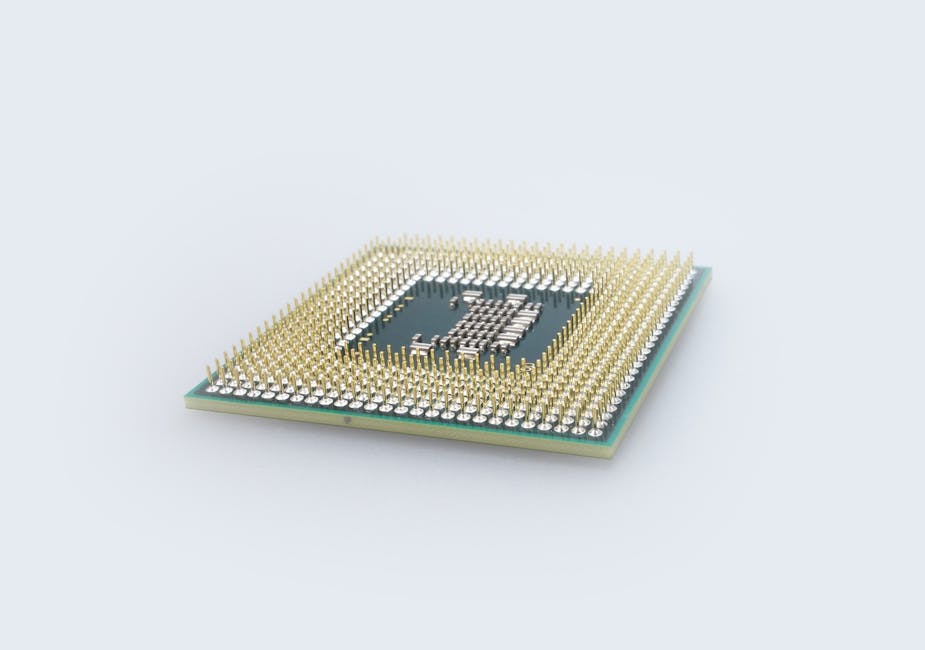
Detailed view of a computer processor. Ideal for technology themes.
Photo by Pixabay from Pexels.
From above of crop anonymous female in golden rings typing on netbook with text on screen on black background in flat
Photo by Infinity Shutter from Pexels.

FYC and Its Innovative Solutions Featured In

Our clients have spoken - FYC Labs delivers results:

Working with the team at FYC was an incredible experience. As a founder who codes, I can speak uniquely to the way FYC does everything they can to improve not just your product from a tech perspective but your understanding of the choices and directions to take. From idea to implementation, we knew we were in good hands, and we hope we get to work with them more in the future. All dev shops are not created equal. FYC sets the bar very high.
Mantis XR, KAHLIL ASHANTI, FOUNDER AND CEO
FYC Labs has been a wonderful partner. Their consistent and reliable support has allowed us to develop a portal for the Fundraising Academy that exceeds our expectations. They have collaborated successfully with our internal resources and been there for us every step of the way.
National University Systems, Susan Edmiston, Sr. Director, Operations & Innovation
FYC has beyond exceeded our expectations. Their talent, expertise, kindness, and commitment are unmatched. Many startup founders advise against working with outsourced teams and we were also hesitant. However, after meeting FYC we knew we had found a special organization. After working with them for over 8 months, they have exceeded every expectation, helped us deploy an incredible product and have been thought partners on our journey from MVP to growth stage. I could not recommend them more.
Aura Finance, Kelsey Willock, Co-Founder

Choose more than an ordinary dev shop; FYC raises the standard. See what our happy clients have to say: get started

Connect With Us!