Marketplace Development for Nonprofits That Connects People and Purpose

Marketplace development for nonprofits creates digital spaces where missions, communities, and commerce come together. By connecting nonprofits, artisans, and donors in one platform, organizations can expand their reach, generate sustainable funding, and create meaningful economic opportunities. A well-built marketplace can turn everyday transactions into lasting impact.

Why Nonprofits Need Purpose-Built Marketplaces

Woman holding a charity sale sign in a studio setting.
Photo by Max Fischer from Pexels.

Nonprofits often rely on a mix of grants, campaigns, and recurring donations, but those revenue streams can be unpredictable. A purpose-built marketplace adds a more resilient way to generate support by making impact part of the buying experience. It allows an organization to create value through products, services, or artisan goods that align with its mission. This approach also helps nonprofits diversify their funding without losing focus on community service. When the marketplace is designed around the nonprofit's goals, each transaction strengthens the mission instead of distracting from it.

A marketplace can also deepen engagement by giving donors a more interactive way to participate. Rather than simply contributing money, supporters can purchase handcrafted items, sponsor goods, or choose products that directly benefit a cause. This creates a stronger emotional connection because people can see tangible outcomes from their support. Artisans and vendors gain visibility, while nonprofits gain a richer story to share with their audience. Over time, the marketplace becomes both a fundraising tool and a community-building platform. For many nonprofits, the biggest advantage is scalability. A digital marketplace can serve local communities and national audiences at the same time, extending mission-driven commerce beyond physical events or seasonal fundraisers. It can support multiple product categories, fundraising campaigns, and partner vendors without requiring a major change in organizational structure. This flexibility is especially valuable for nonprofits that want to grow sustainably while staying lean. With the right development strategy, the marketplace can evolve as the organization expands its programs and partnerships.

How Marketplaces Connect Nonprofits, Artisans, and Donors

The best nonprofit marketplaces create a clear connection between mission and marketplace participants. Nonprofits can curate products that reflect their values, artisans can sell meaningful goods, and donors can support both at the same time. This three-sided model creates a shared ecosystem where everyone benefits from the same platform. Nonprofits gain funding and visibility, artisans gain market access, and donors gain confidence that their purchases are making an impact. The result is a stronger and more collaborative support network.

For artisans, a nonprofit marketplace provides exposure that traditional retail channels may not offer. Many small creators struggle with marketing, logistics, and audience growth, especially when competing with larger brands. A mission-driven marketplace can reduce those barriers by giving artisans a trusted place to showcase their work. In return, their products help nonprofits tell a more human story that resonates with supporters. This kind of partnership creates authenticity, which is increasingly important in digital fundraising and ethical commerce. Donors also benefit from seeing exactly where their money goes. When a marketplace features products tied to causes, beneficiaries, or community initiatives, supporters can make informed decisions about how they contribute. They may choose items that fund training programs, emergency support, or social enterprise efforts. This transparency builds trust and encourages repeat participation. A well-designed marketplace does more than process payments; it helps donors become active participants in the nonprofit mission.

Key Features That Make a Nonprofit Marketplace Work

A successful nonprofit marketplace needs more than attractive listings. It should include user-friendly navigation, secure payment processing, vendor profiles, and clear storytelling around impact. Visitors should be able to understand who they are supporting and how each purchase contributes to the mission. Mobile responsiveness is also essential because many donors and shoppers browse on phones and tablets. When the experience feels simple and trustworthy, users are more likely to complete a purchase or donation.

Another important feature is flexible vendor and product management. Nonprofits may work with multiple artisans, chapters, or partner organizations, so the platform should make it easy to add, update, and organize listings. Automation can help with inventory, fulfillment, and notifications, reducing the administrative burden on staff. Reporting tools are equally important because they help teams measure sales, donor behavior, and campaign performance. With strong backend functionality, the marketplace becomes manageable even as participation grows. Storytelling features can make a major difference in conversion rates and engagement. Product pages can highlight artisan backgrounds, nonprofit outcomes, and the specific community needs being supported. Testimonials, impact metrics, and cause-based banners help users feel connected to the mission before they buy. Integration with email marketing and social sharing can extend that story beyond the platform itself. When marketplace development includes storytelling at every stage, it becomes a powerful engine for awareness and action.

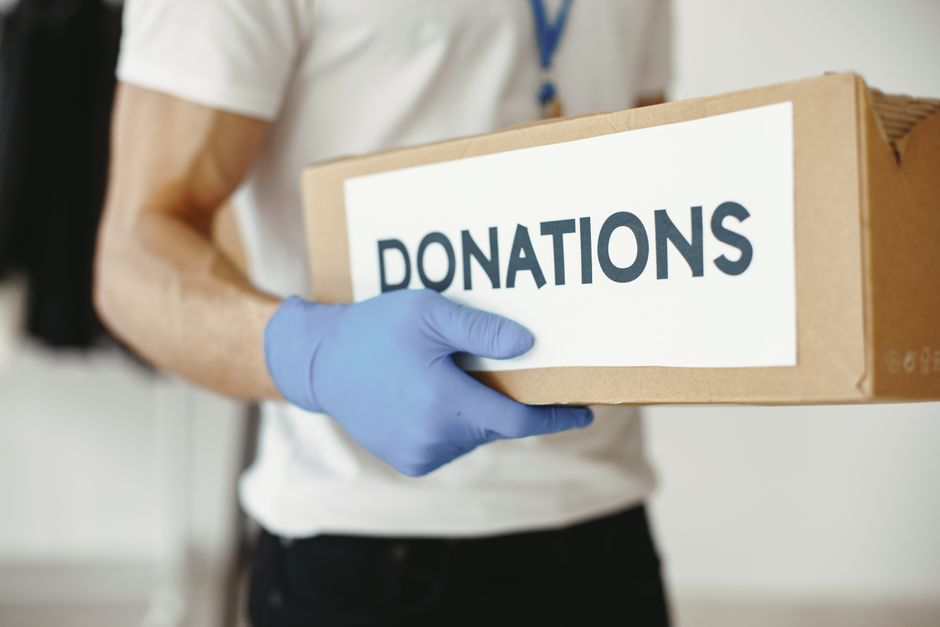
A volunteer wearing gloves holds a 'donations' box, symbolizing community support.
Photo by Gustavo Fring from Pexels.

Building for Sustainability, Trust, and Long-Term Growth

Nonprofit marketplaces must be built with sustainability in mind. That means choosing technology that can scale, maintaining secure operations, and creating a model that supports both short-term fundraising and long-term organizational health. A platform that is easy to manage saves time for staff and volunteers, allowing them to focus more on impact and less on technical issues. Clear workflows also reduce confusion for artisans and donors, which helps keep the experience positive. Sustainability is not only about finances; it is also about creating a platform people can rely on.

Trust is another foundation of success. Nonprofits depend on credibility, so the marketplace must feel transparent from the first click to the final checkout. Secure transactions, visible policies, and accurate product information help reassure users that their support is reaching the right place. It is also important to communicate how revenue is shared and how funds are used. When people trust the process, they are more willing to return, donate again, and recommend the platform to others. Long-term growth comes from continuous improvement. Nonprofits can use analytics to see which products perform best, which campaigns drive engagement, and which user journeys lead to conversions. That insight helps refine the marketplace over time and align it more closely with audience needs. As the platform matures, it can introduce new programs, seasonal collections, membership benefits, or partner-driven campaigns. With the right roadmap, a nonprofit marketplace becomes more than a tool; it becomes a durable part of the organization's mission strategy.

Services That Support Nonprofit Marketplace Success

A custom marketplace strategy helps nonprofits define goals, audiences, and revenue models before development begins. This service can identify the best mix of donations, artisan sales, sponsored products, and mission-based offerings. It also helps map out user journeys for donors, vendors, and administrators so the platform is easy to use from day one. Strategic planning reduces waste and ensures the marketplace supports the nonprofit's larger objectives. With a clear roadmap, the organization can launch with confidence and adapt as it grows.

Street vendors interacting with customers in a busy market scene, showcasing vibrant street life.
Photo by King Shooter from Pexels.

Custom Marketplace Strategy and Planning

A custom marketplace strategy helps nonprofits define goals, audiences, and revenue models before development begins. This service can identify the best mix of donations, artisan sales, sponsored products, and mission-based offerings. It also helps map out user journeys for donors, vendors, and administrators so the platform is easy to use from day one. Strategic planning reduces waste and ensures the marketplace supports the nonprofit's larger objectives. With a clear roadmap, the organization can launch with confidence and adapt as it grows.

Platform Design and Development

Platform design and development bring the marketplace vision to life with secure, scalable, and engaging functionality. This service should include responsive design, vendor dashboards, product management, payment integration, and impact-focused content layouts. Nonprofits benefit from platforms that are easy for staff to manage and simple for users to navigate. Development should also account for accessibility and performance so every visitor has a smooth experience. A strong build creates the foundation for long-term engagement and operational efficiency.

Laptop showing ChatGPT interface on a marble surface, showcasing AI technology.
Photo by Airam Dato-on from Pexels.
Close-up of a woman wearing a headset at a call center, highlighting customer service.
Photo by 112 Uttar Pradesh from Pexels.

Ongoing Support and Optimization

Ongoing support keeps the marketplace healthy after launch. This service can include technical maintenance, analytics reviews, content updates, security checks, and conversion optimization. Nonprofits often need help improving performance as campaigns change and community needs evolve. Continuous support makes it easier to add new features, respond to user feedback, and maintain a reliable experience. With regular optimization, the marketplace stays aligned with the mission and continues delivering value over time.

FYC and Its Innovative Solutions Featured In

Our clients have spoken - FYC Labs delivers results:

Working with the team at FYC was an incredible experience. As a founder who codes, I can speak uniquely to the way FYC does everything they can to improve not just your product from a tech perspective but your understanding of the choices and directions to take. From idea to implementation, we knew we were in good hands, and we hope we get to work with them more in the future. All dev shops are not created equal. FYC sets the bar very high.
Mantis XR, KAHLIL ASHANTI, FOUNDER AND CEO
FYC Labs has been a wonderful partner. Their consistent and reliable support has allowed us to develop a portal for the Fundraising Academy that exceeds our expectations. They have collaborated successfully with our internal resources and been there for us every step of the way.
National University Systems, Susan Edmiston, Sr. Director, Operations & Innovation
FYC has beyond exceeded our expectations. Their talent, expertise, kindness, and commitment are unmatched. Many startup founders advise against working with outsourced teams and we were also hesitant. However, after meeting FYC we knew we had found a special organization. After working with them for over 8 months, they have exceeded every expectation, helped us deploy an incredible product and have been thought partners on our journey from MVP to growth stage. I could not recommend them more.
Aura Finance, Kelsey Willock, Co-Founder

Our clients do not settle for average, and neither do we. See why so many organizations trust us to deliver exceptional results. get started

Connect With Us!