












Nonprofit Data Warehousing Solutions for Centralized and Secure Operations


Nonprofit organizations rely on data from fundraising, programs, volunteers, finance, and communications to make informed decisions. Nonprofit Data Warehousing Solutions bring these scattered sources into one secure system, making reporting easier, improving transparency, and helping teams act with confidence. With a centralized warehouse, nonprofits can spend less time collecting data and more time advancing their mission.

Unify Data Across Every Department and Platform

Close-up image of a car dashboard highlighting speedometer, odometer, and temperature gauge.
Photo by Mike Bird from Pexels.

Nonprofits often use multiple tools to manage donations, email marketing, event registrations, grant tracking, and client services. When each platform stores information separately, staff members waste time pulling reports from different sources and reconciling conflicting numbers. A data warehouse solves this problem by creating a single source of truth that brings all organizational data together. This unified view helps leadership understand how programs, fundraising, and outreach efforts are performing in real time. It also reduces manual work and makes it easier for teams to collaborate using the same reliable information.

Centralization is especially valuable for organizations that depend on timely reporting to donors, boards, and grantmakers. Instead of building spreadsheets from scratch each month, teams can access prebuilt dashboards and consolidated records in one place. A nonprofit data warehouse can connect CRM systems, accounting software, volunteer platforms, and case management tools through secure integrations. This improves visibility across the entire organization and ensures that records are not duplicated or lost. It also makes it easier to compare performance across programs and identify opportunities for improvement. With cleaner data pipelines, nonprofits can trust the numbers behind every decision. Unified data also supports better long term planning because it gives leaders a complete picture of organizational activity. They can examine donor retention, program outcomes, and community impact without switching between disconnected systems. This creates a stronger foundation for forecasting, budgeting, and strategic goal setting. Teams can also reduce errors caused by inconsistent naming conventions or outdated records. Over time, a centralized warehouse helps nonprofits build operational discipline and data confidence. That combination is essential for organizations that need to do more with limited resources.

Improve Security, Compliance, and Data Governance

Nonprofits handle sensitive information such as donor details, payment records, beneficiary profiles, and staff data. Protecting that information requires more than basic access controls in separate systems. A data warehouse adds structure by allowing organizations to define permissions, monitor usage, and store information in a controlled environment. This reduces the risk of unauthorized access and helps safeguard confidential records. Strong governance also makes it easier to track where data comes from and how it is used. For nonprofits, that level of control builds trust with donors, partners, and the communities they serve.

Compliance is another major reason nonprofits need a secure warehouse. Depending on the type of data they manage, organizations may need to support privacy requirements, financial audits, or grant reporting standards. A centralized system makes it simpler to apply consistent policies across every data source and retain the documentation needed for review. It can also preserve historical records in a way that supports accountability and transparency. When audit season arrives, teams can quickly retrieve the information they need instead of searching across multiple platforms. This lowers stress and helps staff respond more efficiently to external requests. Data governance becomes much easier when all information is organized according to clear rules. Nonprofits can establish ownership, quality checks, retention policies, and approval workflows that keep data accurate and current. These controls are difficult to maintain when every department manages information differently. A warehouse creates consistency by standardizing formats and reducing the spread of outdated or conflicting records. It also helps protect the organization from operational risks tied to poor data hygiene. In the long run, better governance supports both security and better decision making.

Enable Better Reporting and Mission Driven Insights

One of the greatest benefits of Nonprofit Data Warehousing Solutions is the ability to turn raw information into meaningful insight. Nonprofits need to understand what is working, what is not, and where resources should be focused next. A warehouse makes reporting faster by combining data from multiple systems into structured views that are easy to analyze. Leaders can generate consistent reports for boards, funders, and internal teams without manually stitching data together. This saves time and improves confidence in the results. More importantly, it helps organizations connect data directly to mission outcomes.

With stronger reporting capabilities, nonprofits can measure program effectiveness more accurately. They can track participation trends, donor engagement, service delivery, and outcome metrics over time. This makes it easier to identify which initiatives deserve expansion and which ones may need adjustment. Predictive analysis can also reveal patterns that support better planning and resource allocation. For example, an organization may discover seasonal fundraising trends or learn which outreach channels attract the most volunteers. These insights help teams act proactively instead of reacting after problems emerge. A warehouse also improves storytelling, which is critical for nonprofit communications. Clear data can demonstrate impact in grant proposals, annual reports, and donor updates. Instead of relying only on anecdotes, organizations can pair stories with measurable evidence that shows real outcomes. This strengthens credibility and can lead to more funding and support. It also helps staff communicate progress internally so everyone understands how their work contributes to the mission. Reliable reporting transforms data into a strategic asset rather than a reporting burden.

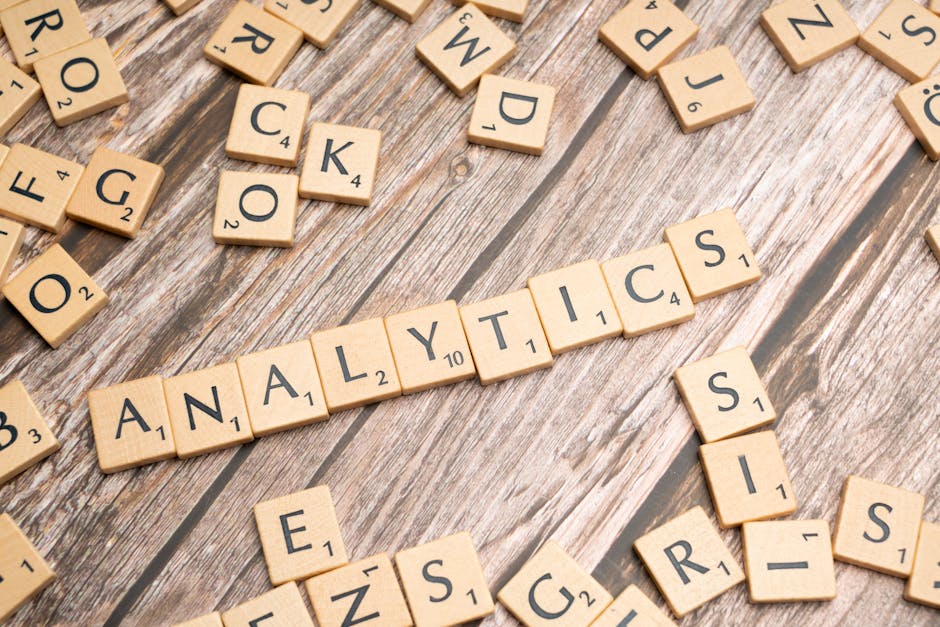
Scrabble tiles spelling 'Analytics' on a wooden surface, symbolizing data analytics concept.
Photo by Markus Winkler from Pexels.

Scale Operations and Support Long Term Growth

As nonprofits grow, their data needs become more complex. New programs, locations, funding streams, and partnerships create additional information that must be managed carefully. A warehouse is built to scale, which means it can expand with the organization without creating chaos. Instead of adding more spreadsheets or manual workarounds, teams can rely on a flexible system that adapts to changing needs. This makes growth more sustainable and less disruptive. It also gives leadership a foundation for future technology investments.

Scalability is particularly important for nonprofits that operate across multiple regions or serve diverse populations. A centralized warehouse can support regional reporting while still maintaining organization-wide visibility. That makes it possible to compare performance across programs and identify best practices that can be shared more widely. It also supports cross-functional planning by giving every department access to the same core metrics. As operations expand, the warehouse helps prevent data silos from reappearing. This keeps the organization agile and aligned during periods of change. Long term growth also depends on efficiency, and a warehouse helps nonprofits use their staff time wisely. By reducing repetitive reporting tasks and manual data cleanup, teams can focus on fundraising, service delivery, and relationship building. Better automation can also improve onboarding for new staff members because systems are easier to understand and use. Over time, the organization develops a stronger data culture where decisions are based on evidence rather than guesswork. That creates a more resilient operation that can respond to challenges and opportunities with confidence. For mission driven organizations, that resilience is a major strategic advantage.

Services That Support a Strong Nonprofit Data Warehouse

Data integration services connect your nonprofit's software tools into a secure warehouse environment. This includes building reliable pipelines that move information from CRMs, donation platforms, accounting systems, and program databases into one consistent format. Proper integration reduces manual exports, broken spreadsheets, and data entry errors. It also ensures that information updates on a regular schedule so reports stay current. For nonprofits, this creates a smoother workflow and a more dependable view of organizational performance. A well designed pipeline is the backbone of accurate analysis and reporting.

A series of large industrial pipes under a dramatic cloudy sky in New Zealand.
Photo by Ray Bran from Pexels.

Data Integration and Pipeline Setup

Data integration services connect your nonprofit's software tools into a secure warehouse environment. This includes building reliable pipelines that move information from CRMs, donation platforms, accounting systems, and program databases into one consistent format. Proper integration reduces manual exports, broken spreadsheets, and data entry errors. It also ensures that information updates on a regular schedule so reports stay current. For nonprofits, this creates a smoother workflow and a more dependable view of organizational performance. A well designed pipeline is the backbone of accurate analysis and reporting.

Dashboard and Reporting Development

Dashboard and reporting services help nonprofits make sense of their centralized data. Custom dashboards can highlight fundraising totals, donor retention, program activity, volunteer participation, and outcome metrics in a format that is easy to understand. These tools save staff time by automating recurring reports and presenting key metrics at a glance. They also make it easier for boards and executives to review progress without needing technical expertise. When reporting is clear and accessible, teams can make faster and smarter decisions. This service turns raw data into actionable insight that supports the mission.

Abstract visualization of data analytics with graphs and charts showing dynamic growth.
Photo by Negative Space from Pexels.
Laptop displaying a security lock icon on a table with a potted plant and clock.
Photo by Dan Nelson from Pexels.

Data Governance and Security Management

Governance and security services help nonprofits protect sensitive data while maintaining compliance and trust. These services may include access control design, audit trail setup, data quality rules, retention policies, and secure storage configuration. They ensure that the right people can access the right information without exposing confidential records. Good governance also improves consistency so data remains accurate and usable over time. For nonprofits that manage donor, financial, or beneficiary information, this level of protection is essential. Security management gives organizations the confidence to scale without compromising privacy or accountability.

We do not just build software, we raise the standard. Hear what our clients say about working with FYC.

FYC and Its Innovative Solutions Featured In

Connect With Us!