Custom Impact Report Design That Turns Data Into Fundable Stories

Custom impact report design helps organizations present outcomes in a way that is clear, credible, and memorable. Instead of overwhelming readers with raw numbers, a well-designed report highlights progress, proves value, and makes your mission easier to support. The result is a funder-ready document that communicates both performance and purpose.

Why Custom Impact Report Design Matters

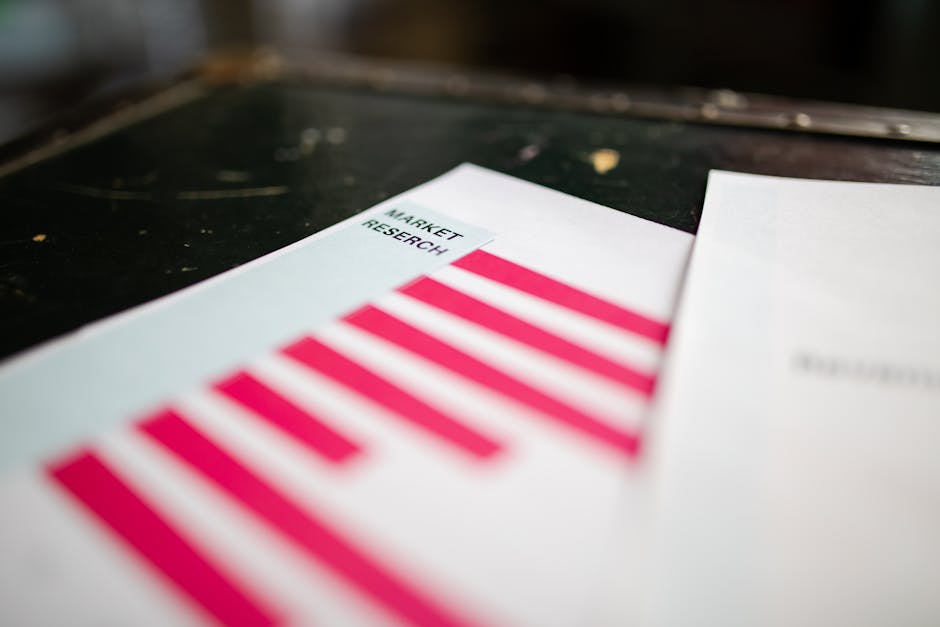
A detailed close-up of a market research document featuring a bar graph and a focus on market trends.
Photo by RDNE Stock project from Pexels.

A custom impact report design gives your data a structure that readers can understand quickly. Funders, board members, and community partners often have limited time, so clarity is essential. When information is organized visually, the most important outcomes stand out immediately. This improves comprehension and helps decision-makers see the relevance of your work. A tailored report also shows that you take accountability seriously. That level of polish can strengthen trust before a meeting even starts.

Generic templates often fail to reflect the unique goals of a nonprofit, grant program, or social impact initiative. A custom approach lets you align content with your brand, your audience, and your reporting priorities. You can emphasize metrics that matter most, such as reach, retention, service quality, or long-term change. The design can also support the story behind the numbers with quotes, charts, and callouts. This makes the report feel more complete and more persuasive. When the layout matches the message, the report becomes easier to remember. Custom reports are especially valuable when you need to show progress across multiple programs or complex datasets. Visual hierarchy helps separate outcomes, challenges, and next steps without burying the reader in detail. It also creates room for narrative, so the report explains not just what happened, but why it matters. That balance of analysis and storytelling is what transforms reporting into advocacy. Instead of being a compliance document, the report becomes a strategic asset. In many cases, that shift can influence future funding decisions.

Turning Complex Data Into Clear Visual Stories

One of the biggest strengths of custom impact report design is the ability to simplify complex information without losing accuracy. Charts, icons, timelines, and summary boxes can translate dense data into a format that feels approachable. This is especially useful when reporting on multi-site programs, large participant groups, or longitudinal outcomes. A strong design helps the audience follow the story from context to conclusion. It also reduces the chance of misreading key results. When visuals do the heavy lifting, the message becomes faster to absorb.

Good report design does more than make data look attractive. It guides the reader through a logical sequence that mirrors how people actually process information. For example, a headline can introduce the outcome, a chart can show the trend, and a short narrative can explain the takeaway. This layered structure keeps the report engaging while preserving depth. It also makes it easier to compare results across programs or time periods. As a result, stakeholders can move from interest to understanding more efficiently. Visual storytelling is especially powerful when paired with honest interpretation. A custom impact report should not hide setbacks or uncertainty. Instead, it should present challenges in a thoughtful way that demonstrates learning and improvement. That transparency builds credibility and can make future goals feel more realistic. It also helps funders see your organization as reflective and strategic. When complex data is framed with care, it becomes a compelling narrative rather than a wall of numbers.

Design Elements That Increase Trust and Engagement

Strong typography, consistent color systems, and clean spacing all contribute to a report that feels professional and trustworthy. Readers are more likely to believe the findings when the document looks organized and intentional. Brand alignment also matters because it reinforces recognition across proposals, presentations, and reports. A consistent visual identity makes the report feel like part of a larger communication strategy. It can also help distinguish your organization from others in a crowded funding landscape. Small design details often have a big influence on perceived quality.

Accessibility should be a core part of custom impact report design. Reports should be easy to read on screens, in print, and for people with varying levels of data literacy. That means using clear contrast, readable fonts, concise labels, and simple language where possible. Accessible design expands the audience for your work and reduces barriers to understanding. It also shows respect for the people who rely on your reporting. A report that can be read easily is more likely to be used and shared. Engagement improves when the report includes a balance of summary and detail. Executive highlights can serve busy stakeholders, while appendices or data notes can support deeper review. This lets different audiences extract value from the same document. Custom layout choices, such as pull quotes or milestone visuals, can also keep attention moving through the pages. The goal is not just to inform, but to hold interest long enough for the message to land. When design and usability work together, the report feels more polished and more persuasive.

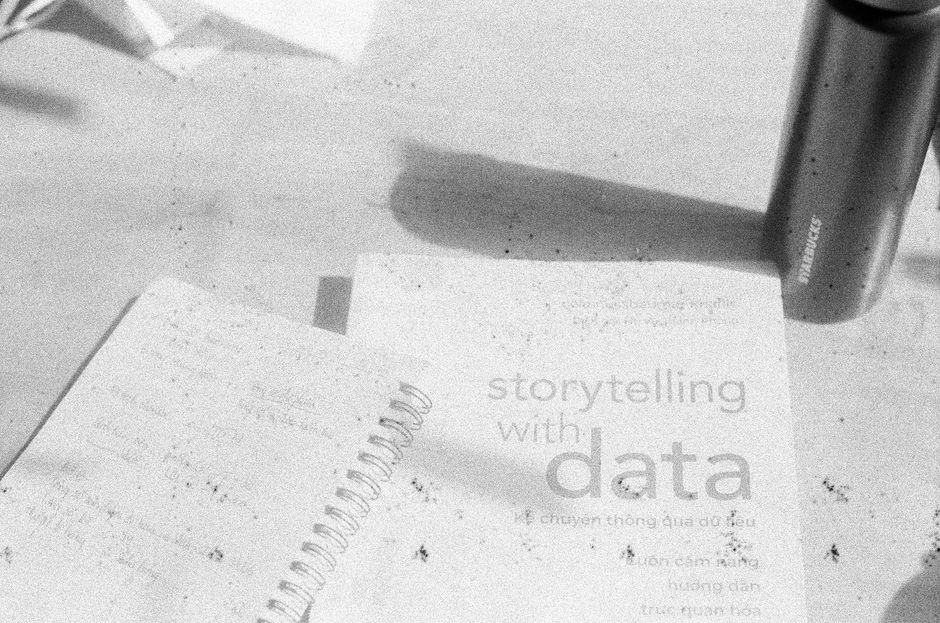
Artistic black and white shot of a notebook and thermos with a focus on storytelling in data.
Photo by The Hien Bui from Pexels.

How Custom Impact Reports Support Funding and Growth

Funders want evidence that their investment is making a measurable difference. A custom impact report design helps present that evidence in a format that feels credible and compelling. Clear visuals make results easier to scan, while strong narrative connects outcomes to mission. This combination can improve how your organization is evaluated during renewal cycles or new grant applications. A report that communicates impact well can become a powerful fundraising tool. It tells supporters not only what you did, but why continuing the relationship makes sense.

Custom reporting also supports internal growth by making performance easier to review. Teams can spot trends, identify gaps, and compare outcomes across programs when the data is organized thoughtfully. That makes the report useful beyond donor communications. Leadership can use it to guide planning, resource allocation, and strategic decisions. Over time, the report becomes a reference point for progress. In that way, design contributes directly to organizational learning. A well-designed impact report can also strengthen your reputation with partners, collaborators, and the community. It signals that your organization values transparency, professionalism, and measurable results. Those qualities can open the door to new opportunities, including partnerships and larger grants. The report may also be repurposed into presentations, one-pagers, or digital campaigns. This increases the return on the effort invested in reporting. When impact communication is designed strategically, it supports both credibility and growth.

Services That Support Better Impact Reporting

Impact report strategy and planning helps define the story before design begins. This service identifies the right audience, the most important metrics, and the structure that will best support the message. It ensures that the report answers the questions funders care about while reflecting your organization goals. Planning also reduces revisions because the content direction is clear from the start. With a strong strategy, the final report feels focused and intentional. That foundation makes every design choice more effective.

A group reviews business statistics and reports on a wooden table.
Photo by Tiger Lily from Pexels.

Impact report strategy and planning

Impact report strategy and planning helps define the story before design begins. This service identifies the right audience, the most important metrics, and the structure that will best support the message. It ensures that the report answers the questions funders care about while reflecting your organization goals. Planning also reduces revisions because the content direction is clear from the start. With a strong strategy, the final report feels focused and intentional. That foundation makes every design choice more effective.

Data visualization and layout design

Data visualization and layout design turn raw metrics into a readable and engaging report. This service includes charts, infographics, typographic hierarchy, and page composition that guide the reader through key findings. It helps simplify complex information without oversimplifying the results. Good layout also creates breathing room, which makes the report feel polished and easier to navigate. The design can be tailored to printed booklets, digital PDFs, or presentation-ready formats. That flexibility makes the report more useful across different channels.

Flat lay showing branding materials and design concepts for creative strategy discussions.
Photo by Leeloo The First from Pexels.
A professional in orange attire holding various business documents and infographics.
Photo by Pavel Danilyuk from Pexels.

Brand-aligned report production

Brand-aligned report production ensures your impact materials look consistent with the rest of your communications. This service applies your colors, fonts, imagery style, and tone so the report feels like a natural extension of your organization. It also helps maintain professionalism across annual reports, donor updates, and grant submissions. Final production can include polished digital files and print-ready assets. When the design matches your brand, it strengthens recognition and trust. That consistency makes the report feel more authoritative and memorable.

FYC and Its Innovative Solutions Featured In

Our clients have spoken - FYC Labs delivers results:
Working with the team at FYC was an incredible experience. As a founder who codes, I can speak uniquely to the way FYC does everything they can to improve not just your product from a tech perspective but your understanding of the choices and directions to take. From idea to implementation, we knew we were in good hands, and we hope we get to work with them more in the future. All dev shops are not created equal. FYC sets the bar very high.
Mantis XR, KAHLIL ASHANTI, FOUNDER AND CEO
FYC Labs has been a wonderful partner. Their consistent and reliable support has allowed us to develop a portal for the Fundraising Academy that exceeds our expectations. They have collaborated successfully with our internal resources and been there for us every step of the way.
National University Systems, Susan Edmiston, Sr. Director, Operations & Innovation
FYC has beyond exceeded our expectations. Their talent, expertise, kindness, and commitment are unmatched. Many startup founders advise against working with outsourced teams and we were also hesitant. However, after meeting FYC we knew we had found a special organization. After working with them for over 8 months, they have exceeded every expectation, helped us deploy an incredible product and have been thought partners on our journey from MVP to growth stage. I could not recommend them more.
Aura Finance, Kelsey Willock, Co-Founder

We do not just build reports, we raise the standard for how your impact is seen and believed. get started

Connect With Us!